HELM
The Helm Blog
Insights on nervous system regulation, mental clarity, and the science of optimal performance.
HELM
HELM
HELM
HELM
HELM
HELM
Insights on nervous system regulation, mental clarity, and the science of optimal performance.
Helm is the #1 app to optimize your mind, breathe better, and master your focus. Combine science-backed breathwork and meditation into your daily protocol to build resilience.
Military sleep method breathing is best understood as a practical way to lower nighttime arousal, not a magic trick. The method combines slower exhalations, progressive muscle release, and a simple mental image so your body gets a clearer signal that it is safe to rest. That matters because sleep usually arrives when effort fades, not when you push harder. If your evenings are shaped by jaw tension, shallow breathing, or looping thoughts, this approach can create a gentler path into sleep onset. It is not a cure for chronic insomnia, but it can be a useful tool when paired with a consistent wind-down routine and guidance on healthy sleep habits.

At its core, this practice is a bedtime downshifting sequence. You settle your face and shoulders, let the belly soften, slow the breath, and direct your mind toward a neutral, repetitive image. The breathing piece is usually simple: inhale quietly through the nose, then exhale a little longer than you inhaled. That longer exhale helps reduce the sense of urgency that keeps many people mentally switched on.
The reason this works for some people is not that the method is special in isolation. It is that sleep likes predictability. When you repeat the same pattern each night, your brain starts to associate it with rest. Over time, the breath becomes less of a technique and more of a cue, much like dim light or a familiar blanket, telling the nervous system that alert mode can ease off.
Falling asleep requires a shift from vigilance into parasympathetic dominance, the branch of the nervous system associated with rest and digestion. Slow breathing, especially when the exhale is slightly longer than the inhale, can support that shift. A broad review on slow breathing and autonomic function found that paced breathing may influence heart rate variability, emotional regulation, and stress physiology in ways that make calm more accessible.
Many people who struggle at bedtime breathe high in the chest without noticing it. That pattern can make the body feel subtly prepared for action rather than sleep. Learning the difference between upper chest breathing and fuller belly breathing often helps, which is why this guide to diaphragmatic breathing vs chest breathing can make the method easier to feel in your body. A lower, quieter breath tends to pair naturally with less muscular guarding.
There is also evidence that deliberate diaphragmatic breathing can reduce stress responses. For example, research on diaphragmatic breathing and stress markers suggests this kind of practice may improve attention and lower some signs of strain. You do not need perfect technique for that benefit. Gentle consistency matters more than precision, especially when the goal is drifting off, not performance.
The easiest version is a short sequence you can do in bed with the lights already low. Keep it simple and boring, because stimulation is the enemy of sleep. Try this for 5 to 10 minutes:
If counting wakes you up, drop the numbers and think slow in, slower out. If the mental image feels too active, use a plain phrase instead, such as soft, heavy, quiet. The point is not to distract yourself with excitement. The point is to give the mind one low-interest channel so it stops scanning for problems.
A common mistake is trying to breathe deeply. For sleep, deep is not always helpful. Easy breathing is better than big breathing. Let the inhale stay light, and let the exhale lengthen only a little. Another mistake is checking whether you are asleep yet. That creates effort, and effort tends to pull you back into wakefulness.
That is normal. Any bedtime skill takes repetition, and the first few nights can feel awkward because you are still learning the sensations. Some people also discover that the breath helps the body relax before the mind follows. If thoughts are still fast, do not fight them. Let the thought stream keep moving while your exhale stays steady. You are training your body first.
If you feel more keyed up when you count, switch formats. Some people prefer a simple extended exhale, while others respond better to a more defined rhythm like the 4-7-8 breathing method for sleep. The best sleep breathing technique is the one that feels sustainable, not the one that sounds most impressive. Comfort is a better sign than intensity.
It also helps to remember that breathing alone cannot overcome every cause of wakefulness. Late caffeine, alcohol, doomscrolling, pain, and an irregular sleep schedule can all keep arousal high. A clinical review of relaxation therapies for insomnia suggests relaxation can be useful, but it works best as part of a broader approach. Think of breath as a lever, not the entire machine.
For most healthy adults, this kind of slow breathing is low risk. Still, gentle is the rule. If you have asthma, chronic lung disease, panic that worsens with breath focus, or dizziness with breath control, shorten the practice and keep the breath natural. You should never strain, hold your breath aggressively, or push for unusually large inhales at bedtime.
If sleep problems are frequent, severe, or tied to loud snoring, gasping, chest pain, trauma symptoms, or persistent daytime exhaustion, it is worth seeking medical guidance. Breathing exercises can support better sleep, but they are not a substitute for evaluation when symptoms suggest insomnia, sleep apnea, or another health issue.
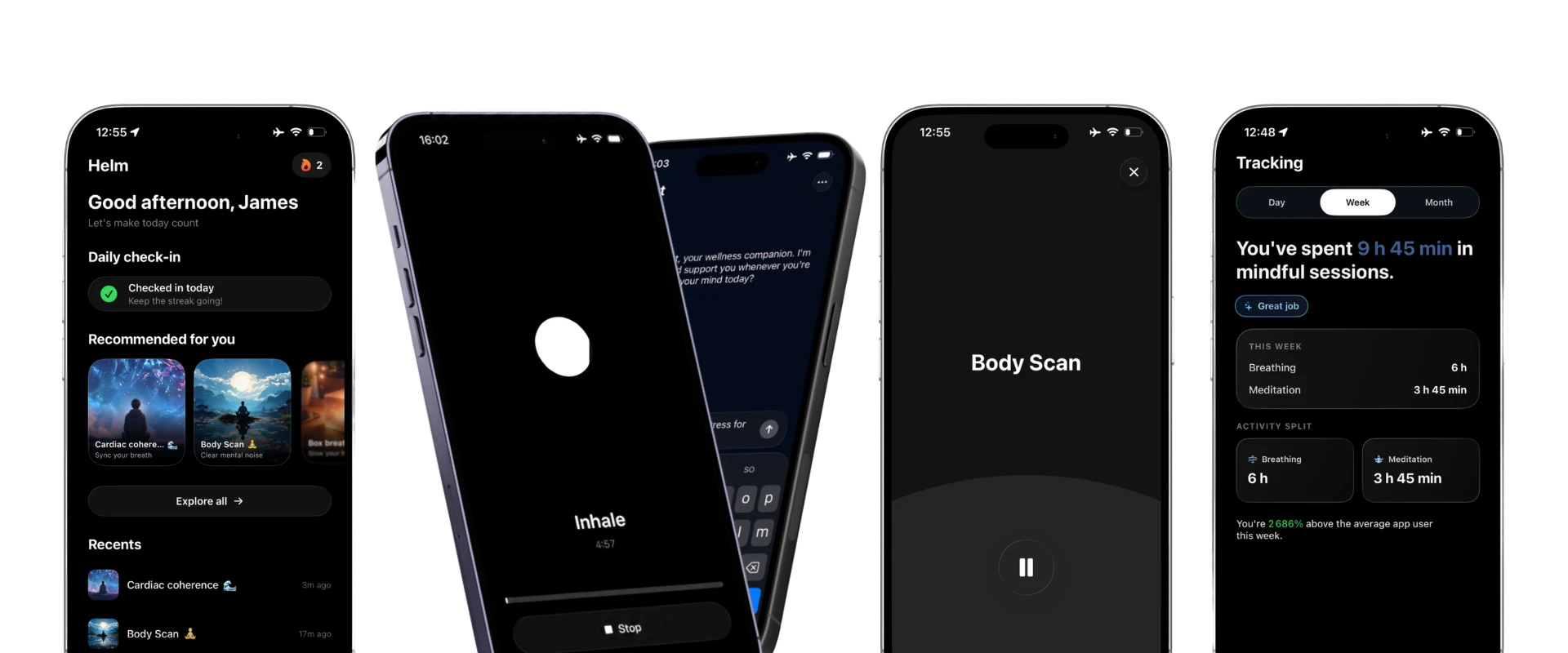
Military sleep method breathing works best when you treat it as a gentle sequence rather than a test. Slow the exhale, soften the muscles, and give your attention one neutral cue that is too plain to energize the mind. It will not fix every restless night, especially when stress, pain, caffeine, or chronic insomnia are driving the problem. But it can reduce how much effort you bring to bedtime, and less effort often means less wakefulness. If you want extra structure, try Helm, a mental wellness app designed to manage stress and improve focus through guided breathing resets.
Yes, it can help lower physical arousal by slowing the breath and reducing muscle tension. It may not stop every anxious thought, but it often makes those thoughts feel less gripping.
Usually 5 to 10 minutes is enough. If you are still awake, keep the breath light and stop watching the clock, because time-checking can reactivate alertness.
Not always. Some people do better with a longer exhale, others with a counted pattern. The best method is the one that feels calming, repeatable, and easy to stick with.
Yes. Keep the room dark, avoid your phone, and return to the same slow pattern. Repeating the same cues helps your brain recognize that it is still sleep time.
Join thousands using Helm to manage stress, improve focus, and build lasting healthy habits.