HELM
The Helm Blog
Insights on nervous system regulation, mental clarity, and the science of optimal performance.
HELM
HELM
HELM
HELM
HELM
HELM
Insights on nervous system regulation, mental clarity, and the science of optimal performance.
Helm is the #1 app to optimize your mind, breathe better, and master your focus. Combine science-backed breathwork and meditation into your daily protocol to build resilience.
If you're searching for a Wim hof app alternative, you're probably not rejecting breathwork, you're looking for a method that feels safer, steadier, and easier to live with. That matters. A breathing practice can be powerful without being intense, dizzying, or emotionally overwhelming. For many people, especially those dealing with stress, poor sleep, or a highly reactive nervous system, gentler methods work better because they are easier to repeat consistently.
The best alternative is usually not the most dramatic one. It is the one that helps your body settle, sharpens focus without making you jittery, and fits into real life in five or ten minutes. That often means guided pacing, softer breath holds or none at all, and an emphasis on slow exhalation. Sustainable breathwork is less about pushing limits and more about learning what your system responds to best.

Many high-intensity breathing styles can feel energizing, but stimulation is not the same as regulation. If a session leaves you lightheaded, tense, or emotionally flooded, it may not be the right fit for your goals. Breath holds, rapid breathing, and strong physical cues can feel compelling in the moment, yet some people with anxiety, trauma sensitivity, migraines, or stress-related insomnia do better with slower, more predictable patterns.
That preference is not a weakness. It is often a sign of good body awareness. According to the National Center for Complementary and Integrative Health, relaxation practices can help reduce stress when used consistently, and the NHS breathing exercises for stress also focuses on simple, accessible techniques rather than extreme effort. Gentle repetition usually beats occasional intensity when your goal is calmer days and better mental clarity.
A strong alternative should guide you toward nervous system balance, not just novelty. Look for short sessions, clear pacing, and methods built around slow breathing, extended exhales, and steady rhythm. Features that help you check in before and after a session can be surprisingly valuable, because they teach you which patterns actually improve focus, mood, and physical ease. If you want more context before choosing a style, this practical guide to calmer days explains how different breathwork approaches affect the body.
There is also a growing body of evidence suggesting that slower breathing can influence stress physiology in helpful ways. This research on slow-paced breathing and nervous system regulation highlights how slower respiratory rhythms may support heart rate variability and emotional regulation. In practical terms, a useful breathing tool should help you feel more grounded after a session, not merely activated during it.
If you want a calmer alternative, start with techniques that create structure without strain. These methods tend to be easier for beginners and more compatible with work breaks, evening wind-downs, or anxious moments.
For example, Cleveland Clinic's overview of box breathing notes that structured breathing can help calm the stress response and improve concentration. The key is to notice your own response. The right pattern should leave your jaw softer, your thoughts less crowded, and your chest less tight. If a method makes you brace or gasp, scale it down.
Your best option depends on what you need most. For stress relief and anxiety, go with slower paced breathing, coherent breathing, or an extended exhale. For focus at work, box breathing or short rhythmic sessions often work well because they create alert calm rather than sleepiness. For evening use, choose anything that avoids force and gradually lengthens the exhale.
If sleep is your biggest issue, your alternative should feel almost boring in the best way. Predictable pacing helps the body trust the process. These breathwork practices for deeper sleep are a good example of how slower routines can support bedtime without overstimulating you first. A simple test helps: try the same technique for five minutes at the same time each day for one week, then ask whether you feel calmer, clearer, and more likely to repeat it. Consistency is the real filter.
Some people should be especially careful with any practice that includes rapid breathing or long breath retention. If you have a history of panic attacks, trauma-related symptoms, cardiovascular concerns, uncontrolled blood pressure, or respiratory issues, start conservatively and consider checking with a qualified clinician. Even for healthy people, breathwork should never be done in water, while driving, or anywhere lightheadedness could create risk.
There is also a psychological side to safety. If a guided session makes you feel trapped, pressured, or disconnected from your body, stop and return to a natural breath. Good breathwork builds trust. It does not demand that you override warning signals. In most cases, calmer methods are easier to personalize, which is one reason they are often the better long-term choice for stress management and steady focus.
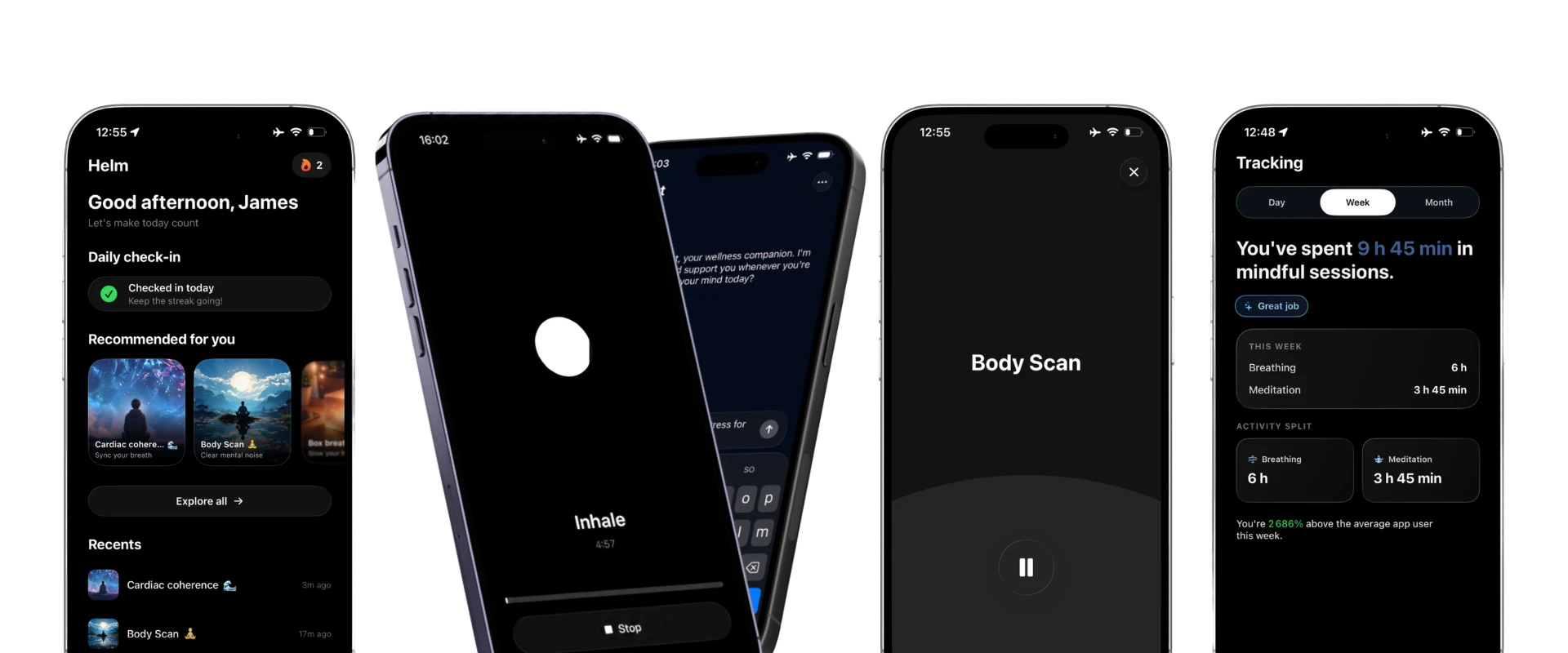
A good alternative is not about avoiding challenge for its own sake. It is about choosing a breathing practice that matches your nervous system, your current stress load, and the result you actually want. For most people, the most effective option is the one that feels safe enough to use often, simple enough to remember under pressure, and gentle enough to support sleep as well as focus. Calm breathing habits tend to outperform dramatic ones because they are easier to trust, repeat, and build into daily life. If you want guided support, try Helm, an iOS mental wellness app designed to manage stress and improve focus through guided breathing resets.
For anxiety, slow guided breathing usually works better than intense breath holds or rapid breathing. Look for gentle pacing, short sessions, and a focus on longer exhales.
In most cases, yes for beginners. Slow breathing is easier to tolerate, simpler to repeat, and less likely to create dizziness or a stress spike.
Yes. Sleep-focused breathing often works best when it is slow, quiet, and predictable, especially techniques that lengthen the exhale and reduce physical effort.
A five to ten minute daily practice is enough for many people. Regular use usually matters more than session length, especially when you are building a habit.
You should feel more settled, clearer, or physically softer, not wired or depleted. Mild relaxation is a better sign than intensity if your goal is stress relief.
Join thousands using Helm to manage stress, improve focus, and build lasting healthy habits.